Conference Overview
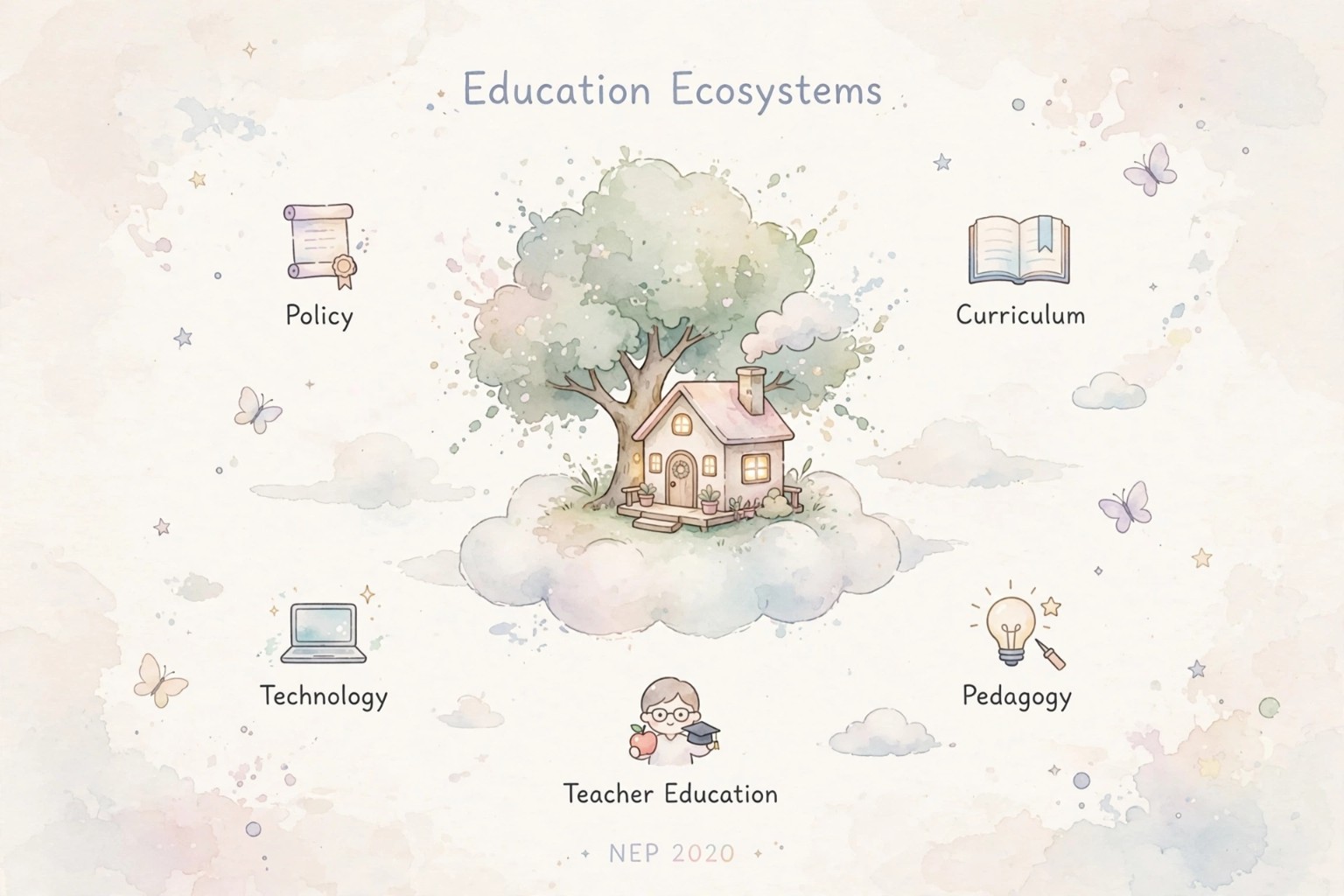
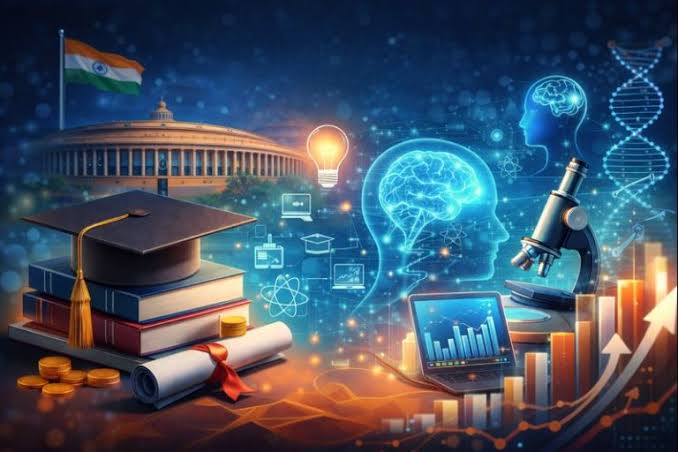
The National Education Policy (NEP) 2020 envisions an integrated education ecosystem that promotes holistic, flexible, inclusive, and learner-centred education.
Policy: NEP 2020 focuses on universal access, equity, quality, multidisciplinary learning, and lifelong learning, while reducing rigid divisions between academic and vocational education.
Curriculum: It promotes competency-based, multidisciplinary, and experiential curricula, with emphasis on critical thinking, creativity, Indian knowledge systems, values, and foundational literacy and numeracy.
Pedagogy: Teaching is expected to become learner-centred, interactive, experiential, and inquiry-based, moving away from rote memorisation toward understanding and application.
Technology: NEP 2020 encourages the meaningful use of digital technologies, online learning, educational platforms, and digital resources to improve access, teaching, assessment, and teacher development.
Teacher Education: Teachers are viewed as central to educational transformation. The policy emphasises continuous professional development, multidisciplinary teacher preparation, improved standards, and the 4-year Integrated B.Ed. as the preferred minimum qualification for school teachers.
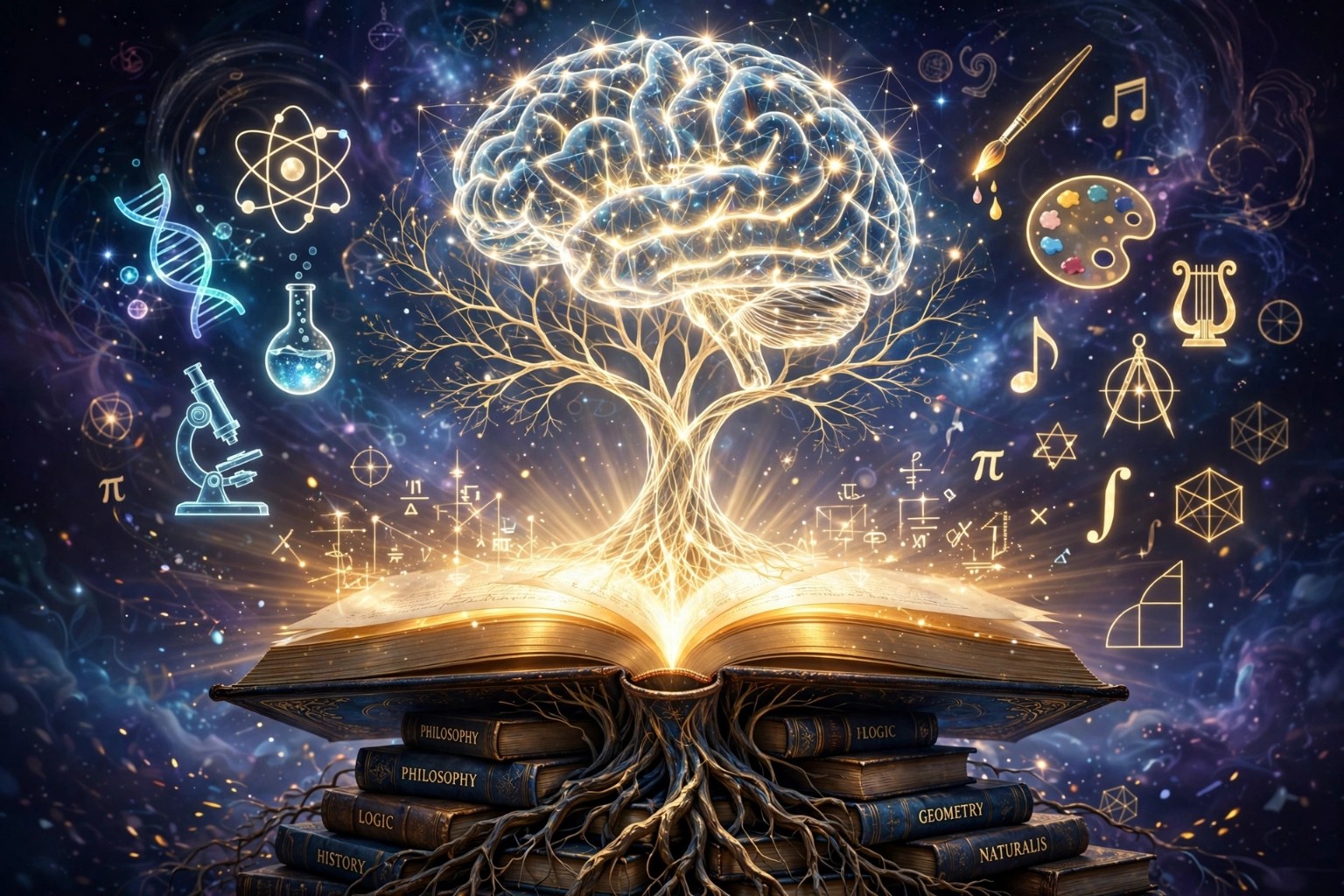
Overall, NEP 2020 seeks to create a connected education ecosystem in which policy, curriculum, pedagogy, technology, and teacher education work together to develop knowledgeable, skilled, creative, ethical, and socially responsible learners.